
Trade Payables Explained: Definition, Examples, and Best Practices
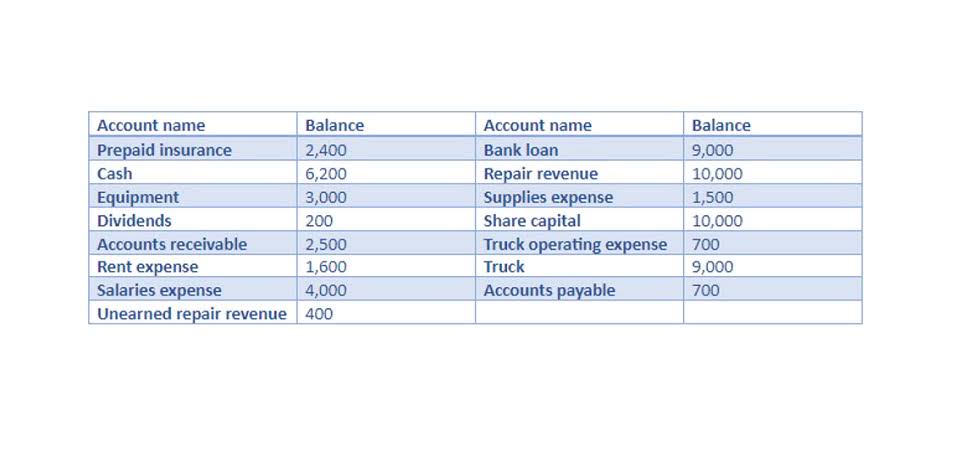
The entry being debit to the relevant expense or asset account and credit to trade and other payables. Accounts payable (A/P) or payables are the amount the company owes to its suppliers for the goods delivered or services provided by the suppliers. It occurs when the company buys goods or services on credit from its suppliers.
Financial Reporting

Accrued expenses (also called accrued liabilities) are liabilities that have built up over time and are now due to be paid. These can seriously affect your financial position and create confusing cash flow statements. In bookkeeping, accrued expenses are considered to be current liabilities because they are usually due within a year of the transaction. A company may purchase paper, pens and printers from a supplier who issues an invoice with a 30-day payment period. Until the payment is made, the amount owed is recorded as Trade Payables.

Corporate Card Management
This freed-up capital can be invested in growth initiatives, inventory expansion, or emergency reserves. Understanding this distinction helps finance teams categorize expenses correctly, analyze supplier dependencies, and make strategic decisions about payment priorities. Trade payables often receive priority in payment scheduling since they directly impact your ability to deliver products or services to customers. The days fixed assets payable outstanding (DPO) measures the number of days it takes for a company to complete a cash payment post-delivery of the product or service from the supplier or vendor.
Report

As a result these amounts will not have been entered into the Accounts Payable account (and the related expense or asset account). These documents should be reviewed in order to determine whether a liability and an expense have actually been incurred by the company as of the end of the accounting period. As is expected for a liability account, Accounts Payable will normally have a credit balance.

Choosing the Right AP Software? Start Here
- Long-term liabilities are non-current liabilities such as bank loans, debentures, and long-term notes payable.
- In other words, meaningful financial reporting of transactions should not be limited to a preconceived list of accounts.
- A business would record an initial liability against these expenses and make payments at their due date in the future.
- But companies are incentivized to retain the cash on hand for as long as possible, and extend the payment process.
- Managing payment schedules ensures bills are paid on time, helping businesses avoid late fees and maintain steady cash flow.
In this blog, we’ll break down what trade payables mean in accounting, how they’re recorded, and why they matter. With simple examples and best practices, you’ll walk away knowing exactly how to track, manage, and optimize trade payables in your business. For example, a company makes $100,000 in credit How to Start a Bookkeeping Business purchases for the year from their trade creditor.
- AP is the total amount of short-term obligations and/or debt a company has to pay.
- The ledger is a clear breakdown of all accounts payable transactions such as incoming invoices, payments, and adjustments.
- A stable AP system shows accountants what your business owes before you’re sent to collections or assessed interest and fees.
- If a business habitually delays payments beyond agreed terms, it can strain supplier relationships or even lead to service disruptions.
- Managerial approval might be required at this stage with the approval hierarchy attached to the bill value.
- If you’re worried about this impacting your relationships, you might want to stick with paying bills as soon as they come in and avoid the risk.
Since the bills and invoices have not been received, it’s up to the AP department to make an educated guess based on supporting documents like purchase orders and shipping receipts. When the invoice is finally received, the amount can be adjusted in the books to reflect 100% accuracy. Now, if anyone looks at the books in the AP category, they will see the total amount a company owes its vendors on a short-term basis. As the company makes the $200 cash payment, a $200 credit is added trade payables to the checking account and a $200 debit is recorded in the accounts payable column. Accounts payable are the amount that the company owes to its suppliers while account receivables are the amount that the customers owe to the company.
The Role of Trade Payables in Financial Health
Typically, a business will have a separate accounts payable account for their trade payables. Per terms of the credit, ABC had to pay for the goods purchased within 60 days. Thus, ABC could maintain a better cash flow position as it did not need cash on hand to make the purchase.