
The historical journey of gambling From ancient rituals to online betting
The historical journey of gambling From ancient rituals to online betting
Origins of Gambling in Ancient Civilizations
The practice of gambling dates back thousands of years, with its origins deeply rooted in ancient civilizations. Archaeological findings suggest that the earliest forms of gambling can be traced to the Chinese, who used rudimentary dice around 2300 B.C. Similarly, ancient Egyptians engaged in various gambling activities, often involving betting on the outcomes of games and contests. These early forms of gambling were often tied to rituals and ceremonies, reflecting the beliefs and values of the societies in which they existed. As modern enthusiasts explore opportunities in this field, some are even drawn to resources like telegram casino for innovative insights.
In Mesopotamia, the practice of gambling was not only a pastime but also played a role in decision-making and divination. The casting of lots, an early form of gambling, was seen as a way to consult the gods. This connection between gambling and spirituality illustrates how gambling was woven into the fabric of daily life, making it an essential component of social interaction in these ancient cultures.
The Rise of Organized Gambling
As civilizations evolved, so did gambling, transforming into more structured and organized forms. The Romans were among the first to establish formalized betting systems, with games like dice and board games becoming popular in social gatherings. The Roman Empire also saw the emergence of gambling houses, where citizens could bet on various games and competitions, including chariot races and gladiatorial contests. This shift marked the transition from informal, ritualistic gambling to a more commercial enterprise.
During the Middle Ages, gambling continued to gain popularity, particularly in Europe. Card games began to emerge, with the first playing cards believed to have originated in China before making their way to Europe. The introduction of these card games paved the way for the creation of modern casinos, as they offered new opportunities for players to engage in betting and gambling activities.
The Evolution of Casinos
The 17th and 18th centuries marked a significant turning point in the history of gambling with the establishment of the first official casinos. Venice opened its doors to the Ridotto in 1638, serving as a model for future gambling establishments. These venues offered a variety of games and attracted the elite and wealthy, solidifying gambling’s place in high society. The rise of casinos led to the development of standardized rules and regulations, transforming gambling into a regulated industry.
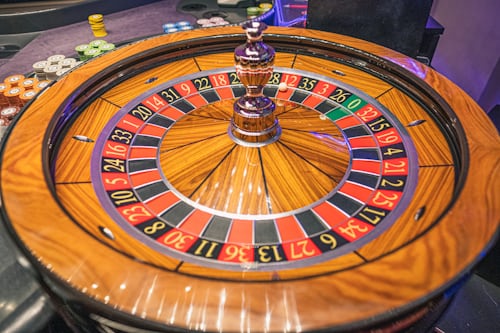
By the 19th century, gambling had expanded globally, with places like Monte Carlo becoming synonymous with luxury gaming experiences. This era saw the birth of iconic games such as roulette and blackjack, which are still popular today. As gambling continued to flourish, it became a significant source of revenue for many governments, leading to further regulation and the establishment of national lotteries.
The Digital Revolution and Online Gambling
The advent of the internet in the late 20th century brought about a seismic shift in the world of gambling. Online betting platforms began to emerge in the mid-1990s, allowing players to access a vast array of gambling options from the comfort of their homes. This revolution not only made gambling more accessible but also led to the creation of sophisticated gaming software that enhanced the overall experience for users.
Today, online gambling encompasses everything from virtual casinos to sports betting and poker rooms. The integration of technology has further changed the landscape, with mobile applications allowing players to gamble on the go. Moreover, advancements in security and payment systems have made online gambling safer and more trustworthy, attracting millions of users worldwide.

Bashooka and the Future of Gambling
Bashooka.com has long been a resource for creative inspiration and innovative tools, and as the landscape of gambling evolves, so too does the need for fresh ideas and insights. The intersection of design, technology, and gambling offers endless possibilities for creative exploration. Users can revisit the site for updates and resources that explore the dynamic world of online betting and its cultural implications.
As we look towards the future, the journey of gambling—from ancient rituals to the digital age—continues to unfold. With the rapid advancements in technology, it will be fascinating to witness how gambling transforms further, impacting society and culture in ways we have yet to imagine.